
Restaurant Dish Cost Sheet: From Ingredients to Selling Price
Calculate a reliable dish cost from pack prices, yields, sub-recipes, portions, packaging, and current menu price.
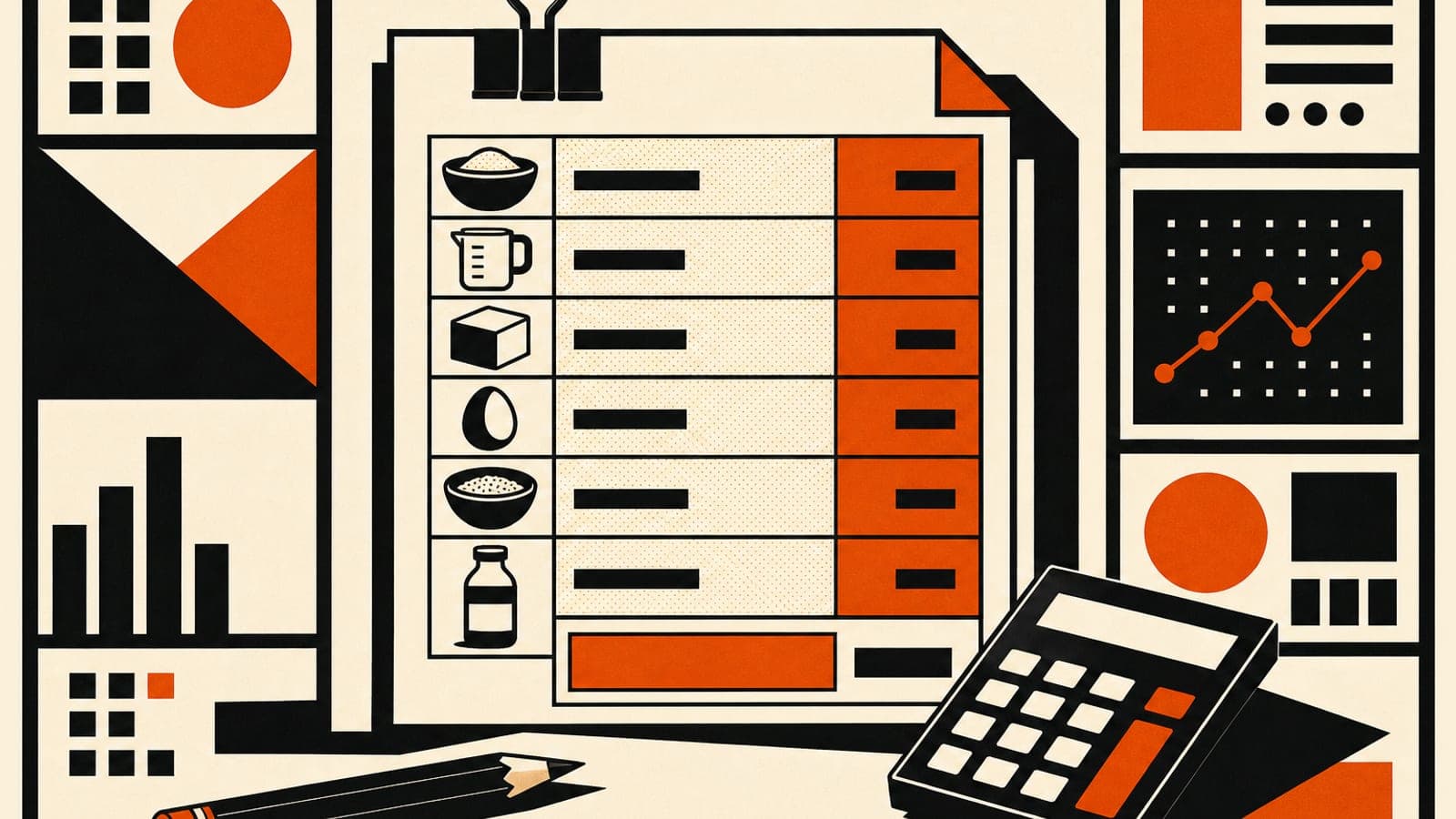
A dish cost sheet turns supplier purchases into a cost per sellable portion. The calculation only becomes useful when it handles unit conversion, usable yield, sub-recipes, packaging, and the current selling price together.
Convert every input to a usable unit
Start with pack price and pack quantity, then convert to the unit used by the recipe. If a 5 kg case costs 30, the base price is 0.006 per gram before yield.
Apply trim, cooking loss, or other usable-yield factors where they actually occur. Do not add a generic waste percentage twice.
Cost the batch, then the portion
Add every ingredient and sub-recipe used by the batch. Divide by the number of consistent saleable portions, not the theoretical yield when production routinely differs.
Add packaging and direct channel fees when they belong to the item. Keep taxes and fixed-cost allocation visibly separate so the model can be audited.
Connect cost to menu price
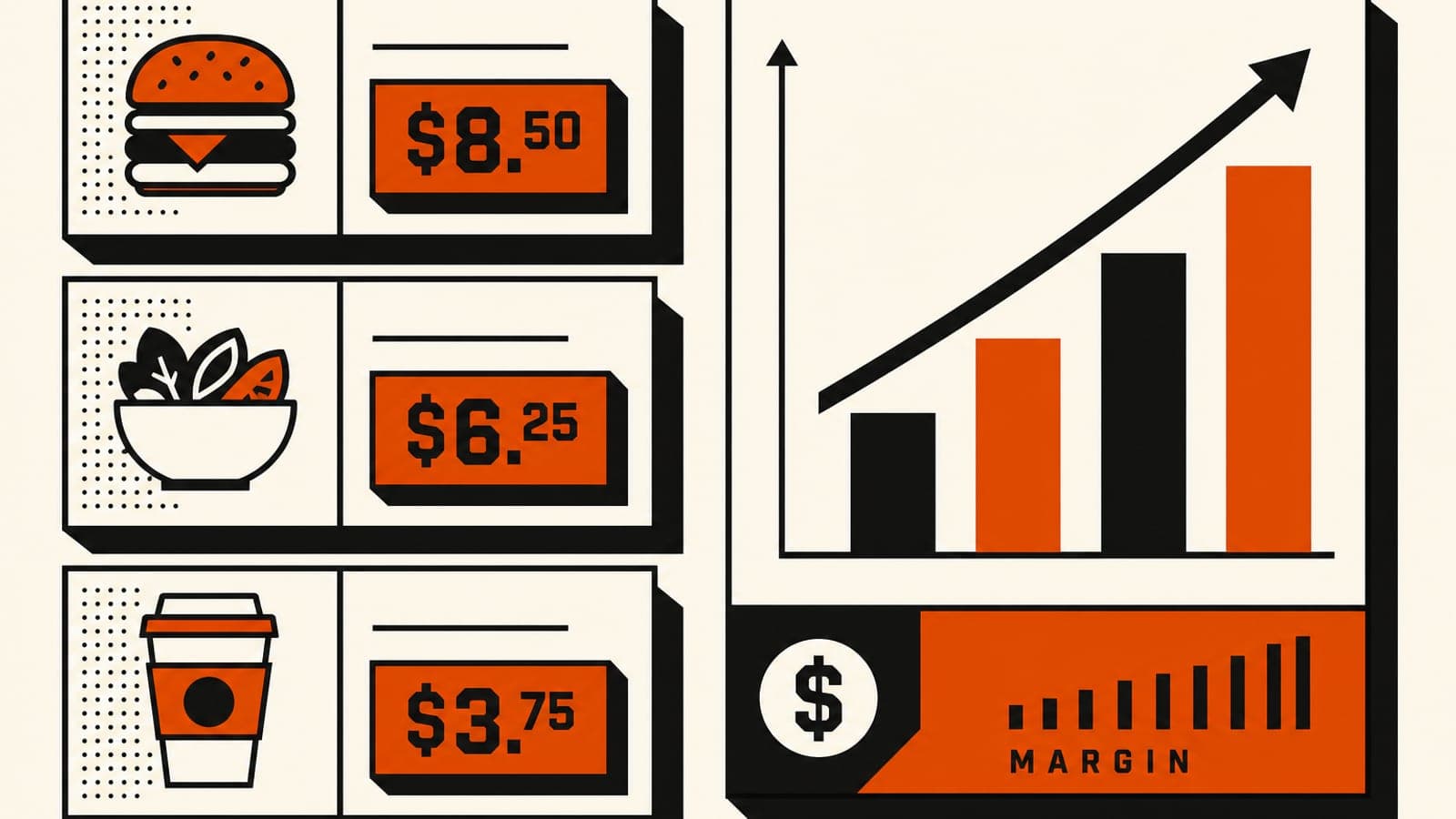
Compare portion cost with net selling price to calculate food cost percentage and gross contribution. Test a target price, then check whether customers and the menu position can support it.
Review the sheet when a supplier price, yield, portion, packaging, or menu price changes. A cost sheet is a living control, not a document completed once.
Operator checklist
Convert pack prices to recipe units.
Apply yield once at the correct step.
Include sub-recipes and packaging.
Recalculate after price or portion changes.
Sources
Related guides
Recipes
Restaurant Recipe Costing Sheet: Fields, Formula, and Template
Build a recipe costing sheet that kitchen staff can execute and management can trust for cost and margin decisions.

Costing
How to Calculate the Real Cost of a Dish
A practical method to turn recipes, yields, packaging, and current supplier prices into an honest dish cost before you set or defend a menu price.
Pricing
Restaurant Menu Pricing Formula: Price From Cost, Not Guesswork
How to move from ingredient cost to a selling price that protects margin without ignoring the market.