
Restaurant Menu Pricing Formula: Price From Cost, Not Guesswork
How to move from ingredient cost to a selling price that protects margin without ignoring the market.
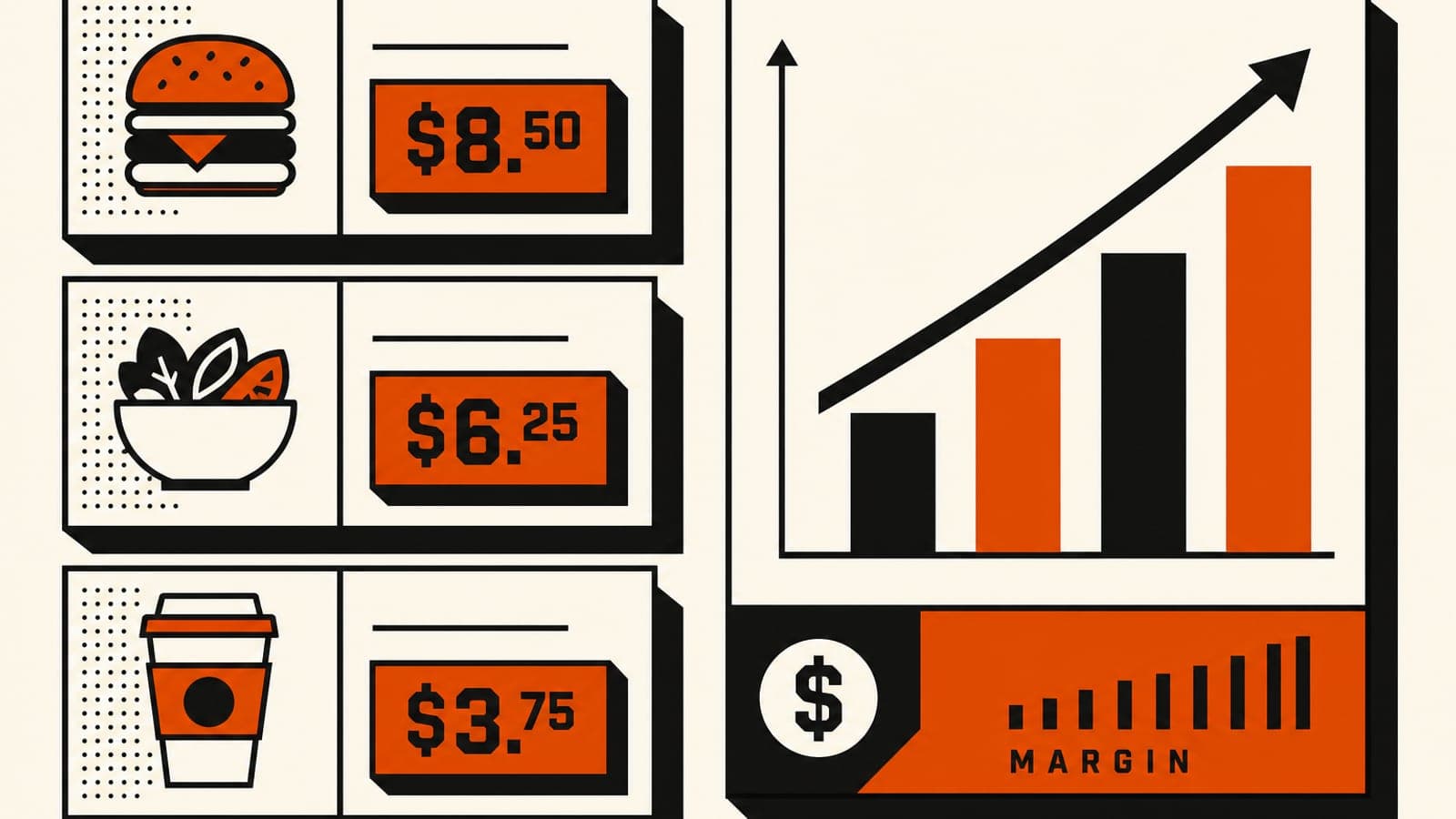
A pricing formula gives you a starting point. A good pricing process combines cost, target margin, local demand, competitor range, taxes, packaging, and the role of the item on the menu.
Start with target margin
A common starting formula is selling price = item cost / target food cost percentage. If the target food cost is 30% and the dish costs 3.00, the starting price is 10.00.
This is not the final answer. It is the first honest number. From there, you decide if the market can carry it, if portion size should change, or if supplier alternatives are needed.
Add operational context
Two products with the same food cost may not deserve the same margin. A labor-heavy pastry, a delivery-only item, and a quick bar snack create different pressure on the business.
Karu's pricing logic is meant to show the cost first, then suggest price movement using margin, location, supplier history, and confidence badges when data is estimated.
Do not hide price increases from yourself
Operators often delay price changes because changing a menu feels risky. The risk is bigger when supplier increases are invisible.
A good system should flag when the margin moved, show why it moved, and give a suggested action before the monthly P&L makes the problem obvious.
Operator checklist
Set target margin by product category.
Compare formula price with local market reality.
Track when supplier changes force a review.
Mark estimated prices clearly until invoices confirm them.
Sources
Related guides
Costing
Food Cost Percentage: The Number Every Menu Needs
A practical guide to calculating food cost percentage, reading the result, and turning it into better menu decisions.

Margins
Your POS Is Not the Same Thing as Margin Control
A POS can tell you what sold. It usually cannot tell you whether the menu is still making the money you think it is.
Pricing
Margin Alerts: When Should a Restaurant Change Prices?
How to decide whether a supplier increase requires a menu price change, recipe adjustment, or supplier switch.