
Food Truck Menu Pricing: Limited Space, Fast Service, Tight Margins
A practical pricing guide for food trucks balancing prep, packaging, waste, and speed.
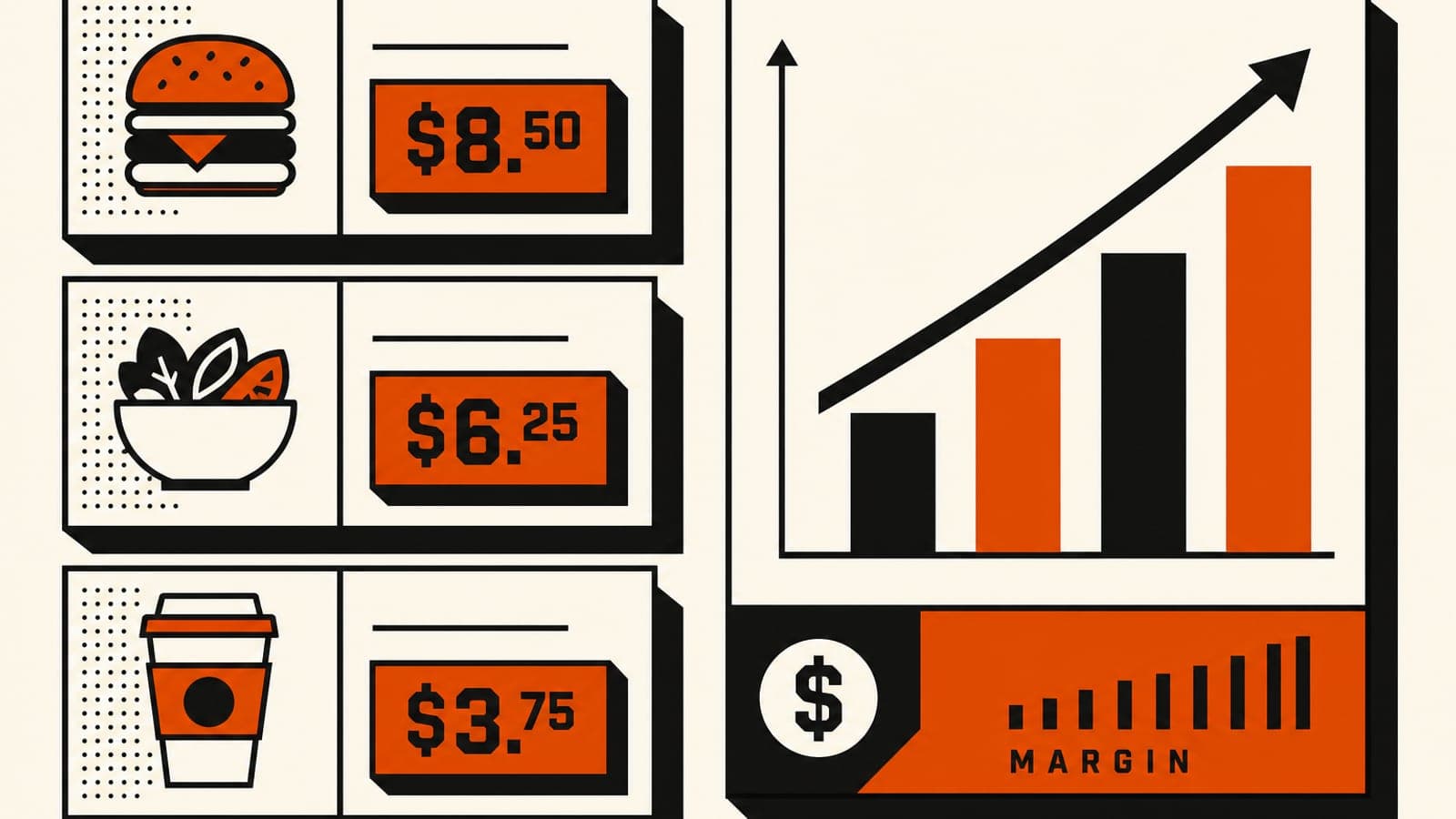
Food trucks have a different kind of pressure. Space is limited, service windows are compressed, prep needs to be reliable, and packaging is part of nearly every sale.
Menu size affects margin
A smaller menu can create better purchasing, prep, and speed. Too many low-volume products increase waste and make supplier price changes harder to see.
Costing helps identify which products deserve the limited space and which ones create operational noise.
Packaging is not optional
Most food truck sales include containers, wraps, napkins, cutlery, bags, and sometimes sauces in portion cups.
Those components should be costed with the product so price decisions reflect the actual sale.
Prep recipes create consistency
Sauces, cooked proteins, spice mixes, and bases should be sub-recipes. That makes costing cleaner and service more consistent.
When supplier prices move, Karu can show the impact across every menu item using that prep.
Operator checklist
Keep product count intentional.
Include all packaging and disposables.
Cost prep recipes separately.
Review best-sellers after supplier changes.
Sources
Related guides
Pricing
Restaurant Menu Pricing Formula: Price From Cost, Not Guesswork
How to move from ingredient cost to a selling price that protects margin without ignoring the market.

Packaging
Packaging Cost: The Takeaway Expense That Belongs in Every Product
How cups, lids, boxes, bags, labels, and delivery packaging change menu profitability.

Margins
Fixed Cost Allocation: Seeing the Whole Restaurant, Not Just Food Cost
How rent, utilities, staff, subscriptions, and other fixed costs can inform menu pricing without creating fake precision.