
Invoice Extraction with AI: Turning Messy Supplier Documents into Usable Costs
How multimodal AI can reduce the pain of invoice data entry while keeping humans in control.
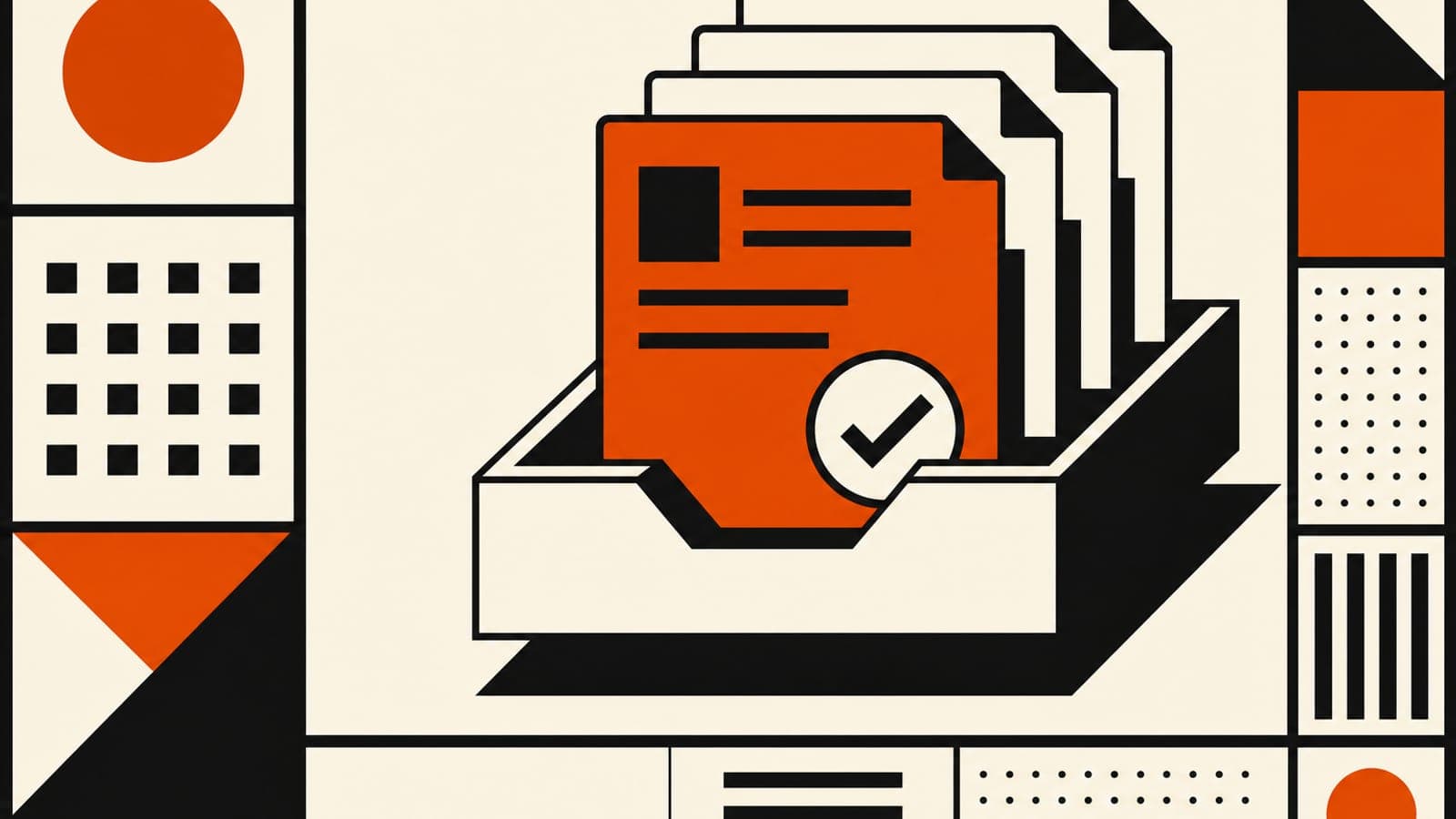
Invoices are where the truth lives, but they are also messy: PDFs, photos, bad lighting, supplier formats, tax lines, discounts, pack sizes, and handwritten delivery notes.
OCR alone is not enough
Traditional OCR can read text, but it often struggles to understand what the text means. A multimodal model can interpret a photo or PDF and return structured draft data.
For Karu, that means extracting supplier, invoice date, ingredient names, units, quantities, gross price, net price, tax, and confidence.
The output must be reviewable
Automation becomes dangerous when it silently writes bad data. The better pattern is an inbox: AI creates drafts, the user reviews, edits, and approves.
That keeps the effort low without pretending every invoice is clean.
Use confidence, not mystery
When the model is unsure, the interface should say so. A low-confidence line item should be easy to review before it affects recipes and margins.
This is why Karu stores model, prompt version, schema version, source, and confidence for AI jobs.
Operator checklist
Extract line items into drafts, not final records.
Store source file and confidence.
Separate gross, net, tax, and fees.
Let users approve before prices affect costing.
Sources
Related guides
Operations
The Karu Inbox: One Intake Flow for Invoices, Recipes, Menus, and Sales
How a single document inbox turns PDFs, photos, spreadsheets, and pasted text into structured drafts ready for review.
AI
Review Center: Why AI Drafts Need Human Approval Before They Become Official
Karu's Review Center is where extracted invoices, recipe links, duplicate merges, and unclear units wait for a human yes before they touch live margin data.
Suppliers
How to Catch Invoice Price Increases Before They Eat Your Margins
Most margin leaks start quietly on the invoice, long before they show up in the monthly numbers.